The Real Reason Why Arsenal Are Called The Gunners
If you’ve ever wondered why Arsenal are called the Gunners, the answer goes all the way back to the club’s birth in south-east London.
Long before Arsenal became one of the biggest football clubs in the world, the team was founded by men whose daily job was making guns, cannons and ammunition for the British military. The nickname wasn’t invented by marketers or supporters decades later; it grew naturally from the club’s origins.
More than 140 years on, “The Gunners” is still one of the most recognisable nicknames in football. It appears on the club badge, echoes around the Emirates Stadium on matchdays and has become part of the identity of millions of fans across the globe. To understand why the nickname has endured, you have to go back to where Arsenal’s story began.
It All Started in Woolwich
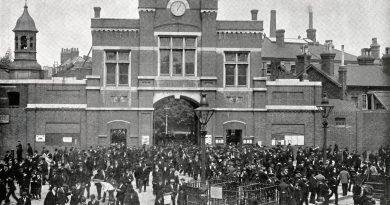
Arsenal’s story begins in 1886 at the Royal Arsenal in Woolwich, south-east London. The Royal Arsenal was one of Britain’s largest arms manufacturing sites, producing artillery, ammunition and military equipment for the British Army.
A group of workers from the factory decided to form a football team during their spare time. They named it Dial Square Football Club, after one of the workshops inside the factory. Their first recorded match took place in December 1886.
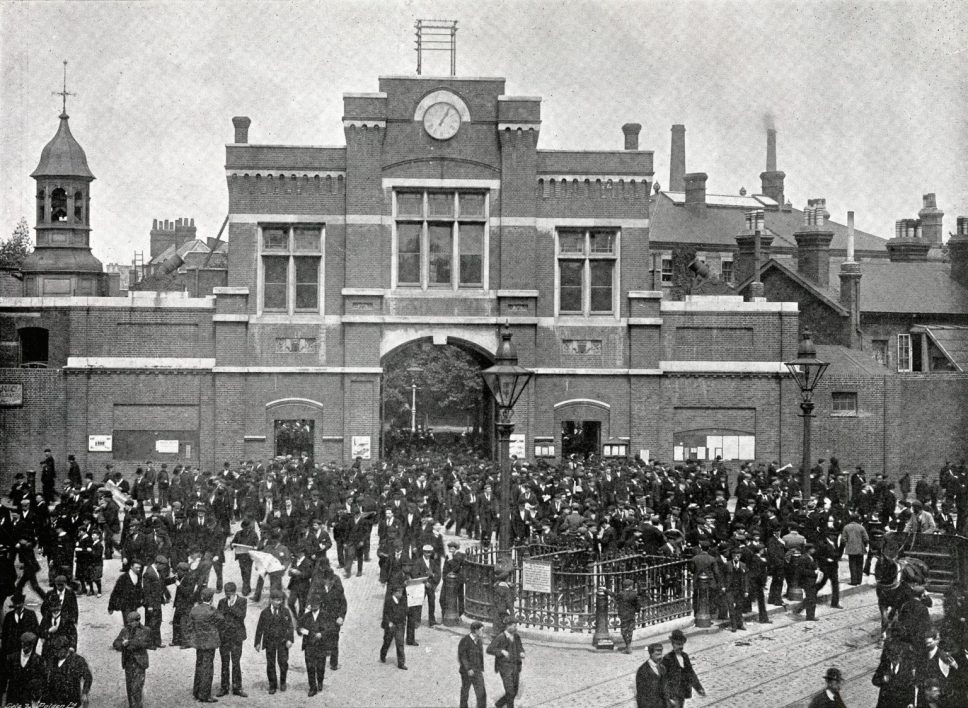
Within a matter of weeks, the club adopted the name Royal Arsenal, reflecting its close connection to the workplace where its founders earned their living. Those founders were not professional footballers, they were blacksmiths, engineers, fitters and armourers whose trade revolved around making weapons.
That connection explains the origin of the Arsenal nickname. Because the club represented workers who built guns and artillery, it was only natural that they became known as The Gunners. The nickname reflected both their profession and the place they came from. It wasn’t a slogan; it was simply who they were.
From the very beginning, Arsenal’s identity was shaped by its working-class roots in Woolwich. Even as the club grew beyond its local community, those origins remained central to its character.
From Factory Workers to Football Club
The club’s official name changed several times during its early history, but its identity remained remarkably consistent.
After becoming the Royal Arsenal, the club turned professional in 1891 and was renamed Woolwich Arsenal. The new name highlighted the area the club represented while maintaining its connection to the Royal Arsenal factory.
Financial difficulties eventually forced the club to seek a fresh start. In 1913, Woolwich Arsenal moved from the Manor Ground in south-east London to Highbury in north London. Shortly afterwards, the club simplified its name to Arsenal, dropping “Woolwich” but keeping the connection to its origins.
What’s striking is that the nickname survived every one of those changes. The club left Woolwich behind geographically, but it never abandoned the identity forged there.
That continuity says a great deal about Arsenal’s culture. Clubs often evolve as they grow, but Arsenal carried its founding story with it. The move to Highbury transformed the club’s fortunes, yet the memory of the munitions workers who created it remained woven into its identity.
Anyone exploring the history of Arsenal will quickly notice that the nickname has always been about more than football. It represents the people who built the club from the ground up.
The Cannon on the Badge
The clearest reminder of Arsenal’s origins is found on the club crest.
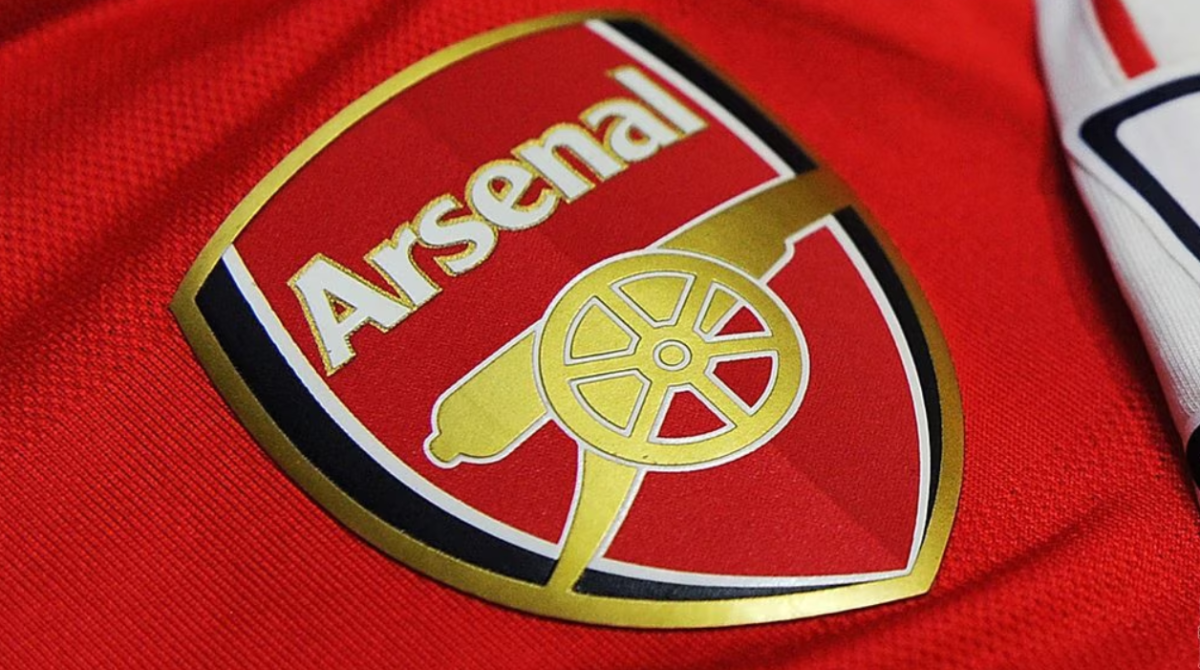
The Arsenal badge cannon has appeared in different forms since the late nineteenth century, directly reflecting the club’s connection to the Royal Arsenal. Early designs featured multiple cannons inspired by the Borough of Woolwich’s coat of arms, reinforcing the military heritage behind the club’s identity.
As the badge evolved over the decades, the cannon became the defining feature. One detail many supporters enjoy discussing is the direction it faces. Older Arsenal crests showed the cannon pointing to the right, while the modern version points to the left.
The current badge, introduced in 2002, features a single gold cannon set against a red shield. The redesign modernised the club’s visual identity while preserving the symbol that had represented Arsenal for generations.
Today, the cannon is one of the most recognisable emblems in English football. Whether it’s stitched onto a shirt, displayed outside the Emirates Stadium or used across the club’s digital platforms, it continues to remind supporters where Arsenal came from.
Why the Nickname Still Matters Today
“The Gunners” has outgrown its local beginnings without ever losing its meaning.
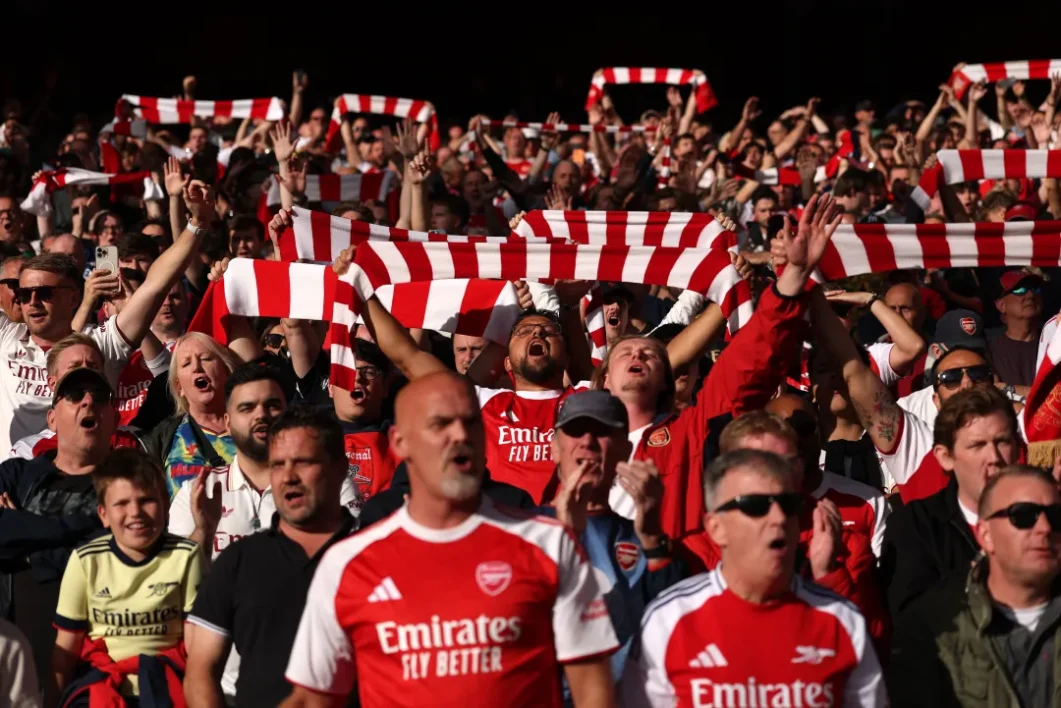
Supporters proudly refer to themselves as Gooners, a nickname that developed from “Gunners” and has become part of Arsenal culture. You’ll hear it in chants, see it on scarves and banners, and find it used by fan groups around the world.
For many supporters, being a Gooner is about more than following a football team. It’s about belonging to a community with a shared history that stretches back to 1886.
That sense of continuity is one of Arsenal’s greatest strengths. Modern football changes quickly, but some traditions remain untouched. While stadiums, kits and players come and go, the nickname still connects today’s supporters with the factory workers in Royal Arsenal Woolwich who started it all.
The club has become a global institution, yet every time someone says “Come on, you Gunners,” they’re unknowingly paying tribute to Arsenal’s remarkable beginnings.
FAQ
Why are Arsenal called the Gunners?
The reason why Arsenal are called the Gunners because the club was founded in 1886 by workers at the Royal Arsenal factory in Woolwich, where guns, cannons and artillery were manufactured. The nickname grew naturally from the founders’ profession.
When did Arsenal first get the nickname “The Gunners”?
There is no single recorded date when the nickname was officially adopted. It emerged during the club’s early years as Royal Arsenal because the team represented munitions workers and was closely associated with artillery production.
What does the cannon on Arsenal’s badge represent?
The cannon symbol represents Arsenal’s origins at the Royal Arsenal in Woolwich. It reflects the club’s history as a team founded by arms manufacturers and has remained a central feature of the badge for well over a century.
REFERENCES:
- Arsenal Football Club. “’Royal Arsenal’ Formed in Woolwich.”Arsenal.com, 1 June 2017, https://www.arsenal.com/history/ggm-16-royal-arsenal-formed-in-woolwich. Accessed 27 June 2026.
- Arsenal History Society. “Royal Arsenal.”The History of Arsenal, https://blog.woolwicharsenal.co.uk/royal-arsenal. Accessed 27 June 2026.
- Arsenal History Society. “Chronology.”The History of Arsenal, https://blog.woolwicharsenal.co.uk/arsenal-chronology. Accessed 27 June 2026.
- Joy, Bernard. Forward, Arsenal! A History of Arsenal Football Club. Phoenix House, 1952.
- Soar, Phil, and Martin Tyler. The Official Illustrated History of Arsenal. Hamlyn, 2005.